
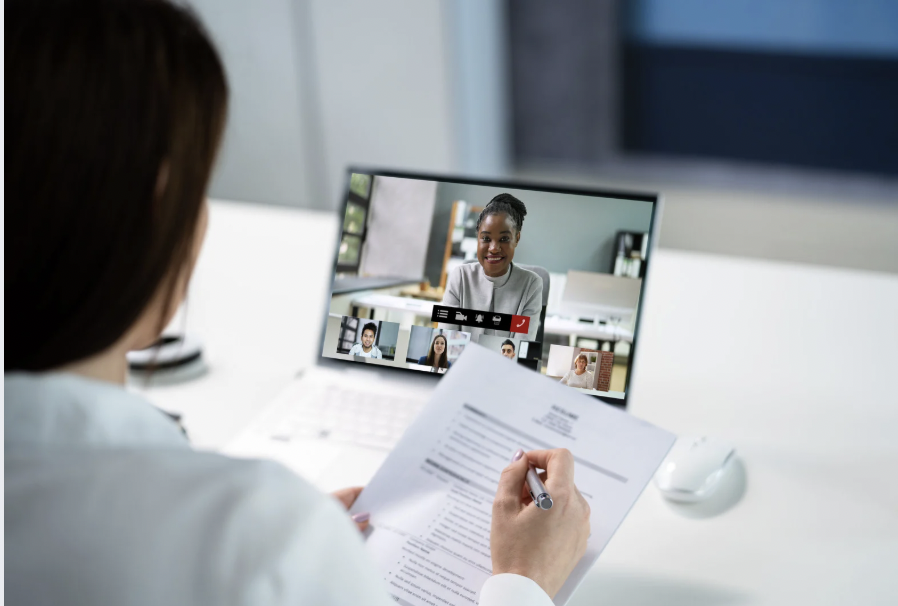
The role of Nurse Practitioners (NPs) has always been dynamic, but in 2026, it’s evolving faster than ever. With the rise of telehealth clinics, more NPs are stepping into remote roles—and thriving. What was once seen as an alternative to traditional care is now a powerful, sustainable way to practice medicine while maintaining balance and flexibility.
So, how exactly are remote nurse practitioners succeeding in telehealth clinics?
A Shift Toward Flexible, Patient-Centered Care
Telehealth allows nurse practitioners to focus more on what truly matters: patient care. Without the constant rush of in-person clinic demands, many NPs find they have more time to listen, educate, and connect with patients.
Virtual care removes many of the barriers patients face—like travel time or long wait hours—making it easier for them to seek help. This results in more consistent follow-ups, better communication, and improved patient outcomes.
Better Work-Life Balance (Without Leaving Healthcare)
One of the biggest reasons NPs are thriving remotely is improved work-life balance. Traditional clinical roles often come with long shifts, unpredictable schedules, and physical exhaustion.
Remote telehealth roles offer:
- Flexible schedules
- No daily commute
- A more controlled work environment
This balance allows NPs to stay in the profession they love—without burning out.
Expanding Career Opportunities
Telehealth has opened doors for nurse practitioners beyond their local area. NPs can now work with organizations across different states or even globally, depending on licensing.
This means:
- More job options
- Competitive pay opportunities
- The ability to specialize (mental health, primary care, chronic care, etc.)
Remote work removes geographic limits and gives NPs more control over their career paths.
Stronger Focus on Communication Skills
In telehealth clinics, communication is everything. Without physical exams, NPs rely heavily on listening, observation, and clear explanations.
As a result, many remote NPs develop:
- Stronger patient communication skills
- Better emotional intelligence
- A more patient-centered approach
This not only improves care quality but also builds trust with patients.
Leveraging Technology for Better Care
Remote nurse practitioners are becoming more tech-savvy than ever. From telehealth platforms to electronic health records (EHRs) and remote monitoring tools, technology plays a central role in daily workflows.
These tools allow NPs to:
- Track patient data in real time
- Monitor chronic conditions remotely
- Deliver faster, more efficient care
Instead of replacing care, technology enhances it.
Reduced Burnout, Increased Job Satisfaction
Perhaps the biggest reason remote NPs are thriving is simple: they feel better.
With less physical strain, more autonomy, and improved schedules, many nurse practitioners report:
- Higher job satisfaction
- Lower stress levels
- More energy both at work and at home
Telehealth doesn’t remove challenges—but it creates a more sustainable way to handle them.
Is Telehealth the Future for Nurse Practitioners?
All signs point to yes. As telehealth continues to grow, nurse practitioners will remain at the center of this transformation. Their ability to provide high-quality, patient-centered care makes them essential in virtual healthcare settings.
For NPs willing to adapt and embrace technology, the opportunities are only expanding.
Ready to Thrive as a Remote Nurse Practitioner?
If you’re a Nurse Practitioner looking for flexibility, growth, and a better work-life balance, telehealth could be your next step.
At Health Gig Hub, you can find trusted remote opportunities designed for healthcare professionals like you.
👉 Visit www.healthgighub.com to explore open roles and start your journey in telehealth today.
Your career doesn’t have to feel exhausting to be meaningful.